

Blog
How to Naturally Increase Glucagon-Like Peptide-1 (GLP-1)

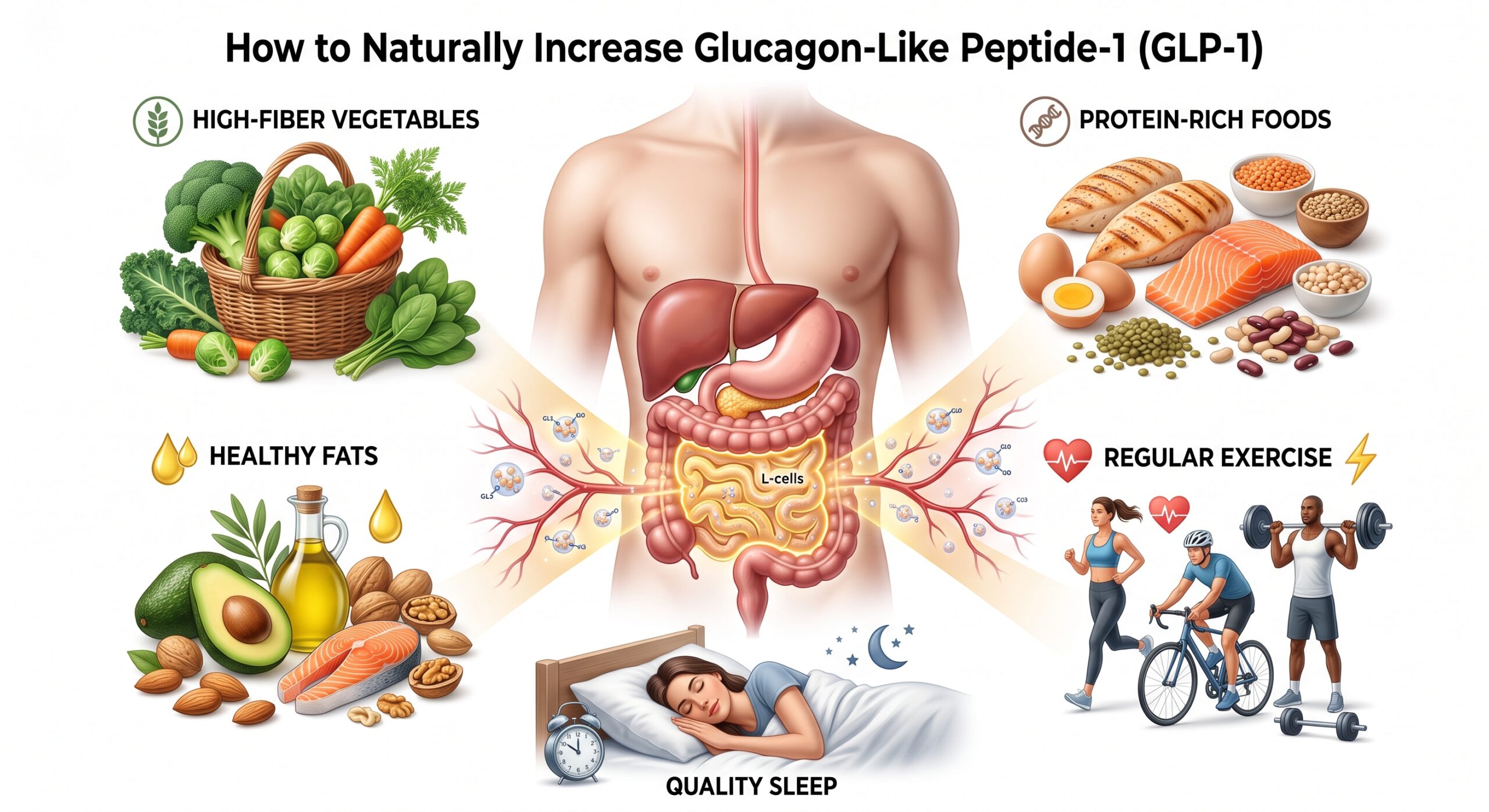
Glucagon-like peptide-1, usually called GLP-1, is a hormone made mainly by specialized cells in the intestine. It plays an important role in blood sugar control, digestion, and appetite signaling. Because of these effects, GLP-1 has received a lot of attention in nutrition and metabolic health.
If you are wondering how to naturally increase glucagon-like peptide-1, the answer is not one special food or supplement. GLP-1 release can respond to meals, especially meals containing protein, fat, and certain types of carbohydrates. Regular physical activity and healthy lifestyle habits may also support normal metabolic function.
It is important to keep expectations realistic. Food and lifestyle habits do not produce the same effects as prescription GLP-1 receptor medicines. Instead, the goal should be to support normal hormone signaling through a balanced diet, regular movement, adequate sleep, and overall health.
This guide explains what GLP-1 does, how food and lifestyle affect it, which foods can support normal GLP-1 responses, and how natural strategies differ from prescription treatment.
What Is Glucagon-Like Peptide-1 (GLP-1)?
GLP-1 is an incretin hormone. It is released by intestinal cells after you eat. It helps the body respond appropriately to food, particularly by influencing insulin secretion, stomach emptying, and appetite signaling.
GLP-1 is only one part of a much larger system that regulates blood glucose, digestion, hunger, and fullness. It works together with other hormones and signals from the digestive tract, pancreas, brain, and nervous system.
Understanding this system helps explain why a healthy eating pattern is more useful than looking for a single “GLP-1 boosting” food.
How GLP-1 Works in the Body
After food enters the digestive system, nutrients interact with the gastrointestinal tract. This can stimulate the release of GLP-1.
GLP-1 has several important actions. It can increase glucose-dependent insulin secretion, slow the movement of food from the stomach into the intestine, and influence appetite-related signaling in the brain.
The hormone is broken down quickly in the body. This means that natural GLP-1 release after meals is not the same as taking a long-acting medicine designed to activate the GLP-1 receptor.
GLP-1 and Blood Sugar Regulation
One major role of GLP-1 is supporting blood glucose regulation.
After a meal, GLP-1 can help the pancreas release more insulin when blood glucose is elevated. It can also reduce glucagon secretion in a glucose-dependent manner.
These effects help coordinate the body’s response to incoming nutrients.
However, GLP-1 is not the only factor involved in blood sugar regulation. Insulin, glucagon, the liver, muscle, physical activity, food composition, and many other processes also matter.
GLP-1 and Appetite Control
GLP-1 can also influence feelings of fullness. It can slow gastric emptying and interact with brain pathways involved in food intake.
This is one reason GLP-1 became important in research into obesity and metabolic disease.
Still, appetite is complex. Sleep, stress, meal composition, habits, emotions, medications, physical activity, and individual health conditions can all affect hunger and eating behavior.
Can You Naturally Increase GLP-1?
Yes, eating can naturally stimulate GLP-1 release. However, the amount and duration of the response depend on factors such as meal composition, individual metabolism, and the type of nutrients consumed.
If you are researching how to naturally increase glucagon-like peptide-1, focus on the overall quality of your eating pattern rather than trying to maximize one hormone.
How Food Can Affect GLP-1 Release
Protein, dietary fat, and some carbohydrates can influence gut hormone release after a meal. Research also suggests that certain dietary patterns may affect the gut microbiome and the production of metabolites that interact with metabolic signaling.
Protein-rich foods are particularly interesting because protein-containing meals can increase GLP-1 and other satiety-related signals. A recent review found that higher-protein meals can increase fullness and influence hormones including GLP-1.
Fiber may also be important because some fermentable fibers are used by gut bacteria to produce short-chain fatty acids. These compounds can participate in gut signaling.
The Role of Lifestyle Habits
Diet is only one part of metabolic health.
Regular physical activity, adequate sleep, stress management, and consistent eating habits can all contribute to healthy metabolic function. Recent evidence supports the value of combining nutrition, physical activity, and behavioral strategies rather than relying on a single intervention.
Natural GLP-1 Support vs. GLP-1 Medications
There is a major difference between naturally stimulating your own GLP-1 release and using a prescription medicine that activates GLP-1 receptors for a longer period.
Food produces temporary hormonal responses as part of normal digestion. Prescription medicines are specifically designed to produce stronger and longer-lasting receptor activity.
Therefore, how to naturally increase glucagon-like peptide-1 should not be interpreted as a way to reproduce the effect of a prescription medication.
How to Naturally Increase Glucagon-Like Peptide-1
There are several practical habits that may support normal GLP-1 responses and overall metabolic health.
Eat More Protein-Rich Foods
Protein is one of the most useful nutrients to include in balanced meals.
Good sources include:
- Eggs
- Fish
- Chicken and other lean meats
- Plain yogurt
- Milk
- Beans
- Lentils
- Peas
- Tofu and other soy foods
Protein can stimulate the release of gut hormones associated with fullness, including GLP-1. Research on higher-protein meals has found increases in GLP-1 alongside greater subjective fullness.
For example, instead of eating a breakfast made mostly from refined carbohydrates, you could include eggs with whole-grain toast and vegetables.
The goal is not to eat an extreme amount of protein. A balanced diet should provide enough protein for your individual needs.
Choose High-Fiber Foods
Fiber is another important part of a healthy eating pattern.
Useful sources include:
- Vegetables
- Whole fruits
- Oats
- Brown rice
- Whole-grain bread
- Beans
- Lentils
- Chickpeas
- Nuts
- Seeds
Some types of fiber can be fermented by bacteria in the large intestine. This process produces short-chain fatty acids that participate in communication between the gut and the rest of the body.
Rather than searching for one “GLP-1 fiber,” aim for variety.
For example, you could have oats and fruit at breakfast, vegetables and beans at lunch, and lentils or vegetables at dinner.
Include Healthy Fats
Dietary fat can also stimulate gut hormone responses.
Examples of nutritious fat sources include:
- Nuts
- Seeds
- Avocado
- Olive oil
- Fatty fish
These foods also provide other nutrients. For example, fish can provide protein and omega-3 fatty acids, while nuts and seeds provide unsaturated fats, minerals, and fiber.
Healthy fats are calorie-dense, so portion size still matters as part of an overall balanced eating pattern.
Eat Whole Foods Instead of Highly Processed Foods
Food quality matters for many reasons beyond GLP-1.
A diet built mostly around vegetables, fruits, whole grains, legumes, protein foods, and unsaturated fats generally provides more fiber and micronutrients than a diet dominated by highly processed foods.
Simple swaps can make this easier.
Instead of sugary cereal, consider oats with fruit and yogurt.
Instead of chips every day, try nuts, fruit, or plain yogurt.
Instead of highly refined bread, choose a higher-fiber whole-grain option when available.
These changes are not magic GLP-1 treatments. They simply create a more nutritious eating pattern.
Exercise Regularly
Physical activity is important for metabolic health even when the goal is not specifically to change GLP-1.
Walking, cycling, swimming, sports, resistance exercise, and other activities can improve how the body uses glucose and supports cardiovascular fitness.
Research into exercise and GLP-1 is still developing, and responses can vary depending on exercise type, intensity, duration, and the individual.
A useful approach is to choose activities that are safe, enjoyable, and sustainable.
Get Enough Quality Sleep
Sleep affects many systems involved in appetite and metabolism.
Poor or inconsistent sleep can affect hunger, food choices, glucose regulation, and energy levels. Good sleep habits therefore support metabolic health even though sleep should not be viewed as a guaranteed way to dramatically increase GLP-1.
Try to maintain a regular sleep schedule and create a calm environment before bedtime.
For teenagers, sleep needs are especially important for healthy development, learning, mood, and overall health.
Manage Stress
Stress can influence eating behavior, sleep, physical activity, and metabolic health.
Long periods of stress may make healthy routines harder to maintain. Stress can also affect food choices and appetite differently from person to person.
Simple strategies include:
- Taking a walk
- Spending time with supportive people
- Practicing slow breathing
- Taking regular breaks from screens
- Keeping a consistent daily routine
- Making time for hobbies
Stress management is not about eliminating all stress. It is about developing healthy ways to respond to it.
Foods That May Help Increase GLP-1 Naturally
If you are specifically researching how to naturally increase glucagon-like peptide-1, several food groups are worth including in a balanced diet.
Protein-Rich Foods
Protein-rich foods can support fullness and stimulate gut hormone responses.
Examples include eggs, fish, yogurt, beans, lentils, tofu, and poultry.
Try combining protein with vegetables, whole grains, or fruit instead of building meals around protein alone.
High-Fiber Foods
Fiber-rich foods can support digestion and gut health.
Beans and lentils are especially useful because they provide both fiber and protein.
Fruits and vegetables add fiber along with vitamins, minerals, and other beneficial plant compounds.
Whole grains such as oats and brown rice can also contribute fiber.
Healthy Fats
Nuts, seeds, avocado, olive oil, and fish provide unsaturated fats and other nutrients.
A meal containing protein, fiber, and a source of unsaturated fat can be more balanced than a meal dominated by refined carbohydrates.
Fermented Foods
Fermented foods such as plain yogurt, kefir, and some traditionally fermented vegetables can be part of a varied diet.
Their effects on the gut microbiome vary depending on the food, preparation method, and individual.
Fermented foods should not be treated as a guaranteed method for increasing GLP-1.
Foods That Support a Healthy Gut Microbiome
The gut microbiome interacts with dietary components, especially fiber.
Eating a variety of plant foods can provide different types of fiber and other compounds that support a diverse diet.
A practical strategy is to rotate different foods rather than eating the exact same vegetable, fruit, grain, or legume every day.
A Simple Daily Routine to Support GLP-1
A practical daily routine can help you understand how to naturally increase glucagon-like peptide-1 without turning meals into a complicated hormone-management project.
Healthy Breakfast Ideas
Examples include:
Option 1: Oatmeal + banana + plain yogurt + nuts
Option 2: Eggs + whole-grain toast + vegetables + fruit
Option 3: Plain yogurt + oats + berries or another fruit + seeds
These meals combine several useful components, including protein, fiber, and other nutrients.
Balanced Lunch Ideas
Try a simple plate structure:
- A protein source
- Plenty of vegetables
- A whole-grain or other carbohydrate source
- A small amount of healthy fat
For example, grilled fish with brown rice and vegetables provides protein, fiber, carbohydrates, and healthy fats.
Beans and lentils can also form the protein-rich base of a meal.
Healthy Dinner Ideas
Dinner does not need to be complicated.
A lentil and vegetable meal, fish with vegetables and rice, or chicken with whole grains and salad can provide a balanced combination of nutrients.
The exact foods can vary according to culture, budget, availability, and personal preferences.
Snack Options
If you are hungry between meals, simple options include:
- Fruit
- Plain yogurt
- Nuts or seeds
- A boiled egg
- Hummus with vegetables
- Milk
A snack does not need to be marketed as a “GLP-1 food” to be nutritious.
Exercise and Sleep Routine
Build regular movement into your day.
Walking is an easy option for many people. Resistance training and aerobic exercise can also be useful when appropriate.
Sleep should be treated as another part of the routine. A consistent bedtime and wake time can make healthy sleep easier.
What Can Reduce GLP-1 or Work Against Healthy Habits?
It is more accurate to say that some habits can work against overall metabolic health than to claim that a specific food simply “turns off GLP-1.”
Highly Processed Foods
Highly processed foods can be easy to overconsume and may contain combinations of refined carbohydrates, fats, salt, and added sugars.
The solution is not to ban every processed food. Instead, make minimally processed or nutrient-rich foods the foundation of most meals.
Excess Added Sugar
Large amounts of added sugar can contribute substantial energy without providing much fiber or protein.
Examples include sugary drinks, sweets, and some desserts.
You do not need to eliminate all sweet foods. The focus should be on overall dietary balance.
Low-Fiber Eating Patterns
A diet that contains very little fruit, vegetables, whole grains, beans, and legumes may provide less fiber than recommended.
Increasing plant-food variety can help improve fiber intake.
Lack of Physical Activity
Low physical activity can make it harder to maintain good metabolic health.
Regular movement supports glucose use, cardiovascular fitness, muscle function, and many other aspects of health.
Poor Sleep Patterns
Irregular or insufficient sleep can make appetite regulation and healthy routines more difficult.
Improving sleep consistency can therefore be a useful part of a broader health plan.
Natural GLP-1 Support vs. GLP-1 Drugs
The distinction between food-based GLP-1 release and medication is essential.
How Lifestyle Changes Differ From Medications
When you eat, your digestive system naturally releases hormones such as GLP-1.
Prescription GLP-1 receptor agonists are designed to activate GLP-1 receptors for much longer than naturally released GLP-1 remains active.
Some medications in this class are used for type 2 diabetes, while certain GLP-1-based treatments are also approved for specific weight-management indications. The exact indication depends on the medication, patient, and regulatory approval.
Lifestyle changes work through many pathways at once. They can improve nutrition, physical fitness, glucose regulation, sleep, and other aspects of health.
They should not be viewed as a direct replacement for prescribed treatment.
When GLP-1 Medications May Be Prescribed
Healthcare professionals may prescribe GLP-1 receptor agonists for appropriate patients with conditions such as type 2 diabetes or obesity, depending on the specific medicine and local approval.
These medicines require medical assessment because they can have side effects and may not be appropriate for everyone.
Recent research also shows that GLP-1 and related medicines are commonly studied alongside lifestyle interventions rather than as a complete substitute for healthy habits.
Why You Should Not Replace Prescribed Treatment Without Medical Advice
If a healthcare professional has prescribed treatment for diabetes or another medical condition, do not stop or change it simply because you have learned about natural ways to support GLP-1.
Lifestyle habits can complement appropriate medical care, but they do not automatically provide the same therapeutic effect as medication.
If you have diabetes, prediabetes, obesity, or another metabolic condition, discuss dietary or exercise changes with a qualified healthcare professional.
Frequently Asked Questions About Increasing GLP-1 Naturally
What foods naturally increase GLP-1?
Protein-containing foods, dietary fats, and meals containing certain types of carbohydrates can stimulate GLP-1 release after eating. Foods such as eggs, fish, yogurt, beans, lentils, vegetables, fruits, whole grains, nuts, and seeds can fit into a balanced eating pattern.
There is no single food that reliably produces a medication-like GLP-1 effect.
Does exercise increase GLP-1?
Exercise can influence GLP-1 and other metabolic signals, but the response varies by person and by the type and intensity of exercise.
More importantly, regular physical activity supports glucose regulation, cardiovascular health, muscle function, and overall metabolic health.
Does protein increase GLP-1?
Yes, protein-containing meals can stimulate GLP-1 release. Research has found that higher-protein meals can increase GLP-1 and other satiety-related hormones while increasing feelings of fullness.
However, eating extremely large amounts of protein is not necessary.
Does fiber increase GLP-1?
Some types of dietary fiber may influence GLP-1 through fermentation by gut bacteria and the production of short-chain fatty acids.
Fiber is also important for bowel health and overall diet quality.
Good sources include beans, lentils, vegetables, fruits, oats, whole grains, nuts, and seeds.
Can drinking water increase GLP-1?
Water is essential for hydration, but it should not be considered a reliable GLP-1-boosting treatment.
Drinking enough water supports normal body function and can be a healthy part of a balanced routine.
There is no need to use excessive amounts of water in an attempt to manipulate GLP-1.
How long does it take to support GLP-1 naturally?
There is no single timeline.
Your body can release GLP-1 shortly after eating, but the longer-term effects of a healthy lifestyle involve many different processes.
Changes in diet, activity, sleep, and other habits should be viewed as long-term health behaviors rather than a quick hormone hack.
Can natural GLP-1 support help with appetite?
GLP-1 is involved in appetite signaling, and protein- and fiber-rich meals may increase fullness through several mechanisms.
However, appetite varies between people. If you regularly experience extreme hunger, sudden changes in appetite, or concerns about eating, speak with a healthcare professional rather than trying to manipulate hormones on your own.
Final Thoughts
Learning how to naturally increase glucagon-like peptide-1 starts with understanding that GLP-1 is part of a complex system, not a single switch that can be turned up with one food.
A balanced diet containing protein-rich foods, high-fiber plants, healthy fats, and a variety of whole or minimally processed foods can support normal digestive and metabolic function. Regular physical activity, adequate sleep, and healthy stress-management habits are also important.
The most useful approach is therefore not to chase a maximum GLP-1 response. Instead, build sustainable habits that support overall health.
Natural food-related GLP-1 release is also very different from the effects of prescription GLP-1 receptor medicines. Prescription treatments are designed to create stronger and longer-lasting receptor activity and may be appropriate for certain medical conditions. They should only be used under appropriate medical guidance.
If you are researching how to naturally increase glucagon-like peptide-1, remember the practical basics: include protein and fiber in balanced meals, eat a wide variety of nutritious foods, stay physically active, sleep consistently, and manage stress.
For people with diabetes, prediabetes, obesity, gastrointestinal problems, or other medical conditions, personalized advice from a qualified healthcare professional is more appropriate than trying to manipulate GLP-1 on your own.
Ultimately, how to naturally increase glucagon-like peptide-1 is less about finding a miracle food and more about supporting the body’s normal response to nutritious food, movement, sleep, and healthy daily habits.
Related Posts

How Much 5-Amino-1MQ Should I Take? Safety Guide

The question “How Much 5 Amino 1MQ Should I Take?” has become increasingly common among people interested in metabolic health, body com...

What Is 5 Amino 1MQ Used For? Benefits and Risks
5 Amino 1MQhas attracted attention in scientific discussions about metabolism, fat tissue, and the biological processes that regulate h...

Does 5-Amino-1MQ Work? Benefits, Research & Safety
5-Amino-1MQ is a small molecule research compound that has drawn significant attention in the fields of metabolic science and cellular ...

What Is 5 Amino 1MQ? Uses, Benefits, and Risks
In recent years, conversations surrounding metabolic health, cellular aging, and weight management have expanded well beyond traditiona...

How Long Does Semax Injection Take to Work? A Guide
Semax is a synthetic peptide that has attracted considerable attention in both experimental neuroscience and wellness cir...

How to Take Semax: Safety, Uses, and What to Know
Semax is a synthetic peptide that has attracted considerable attention in neurobiology and clinical pharmacology due to its potential i...

How Does Semax Work? The Science Behind the Brain Peptide
Mental fatigue, declining focus, and slow cognitive recovery have pushed modern neuroscience to look far beyond traditional stimulants....

How to Make Semax Nasal Spray: Safety and Key Facts
Semax nasal spray has attracted attention because of interest in peptides and their possible effects on brain function. Semax is a synt...

What Does Selank Do? Uses, Benefits, and Risks
Selank is a synthetic peptide that has attracted scientific interest because of its proposed effects on anxiety, stress responses, and ...

What Is Selank Peptide Used For? Benefits and Risks
Selank peptide has attracted scientific interest because of its possible effects on anxiety, stress responses, and cognitive function. ...

GHK Cu Serum for Skin: Benefits, Uses, and Tips
GHK Cu is a copper-binding peptide that has attracted attention in modern skincare. It is also called copper tripeptide-1 and is made f...

What Are Peptides Steroids? Key Differences Explained
If you have searched for what are peptides steroids, you may be wondering whether peptides are simply another type of steroid. They are...