

Blog
Are Collagen Peptides Good for You? Benefits & Risks

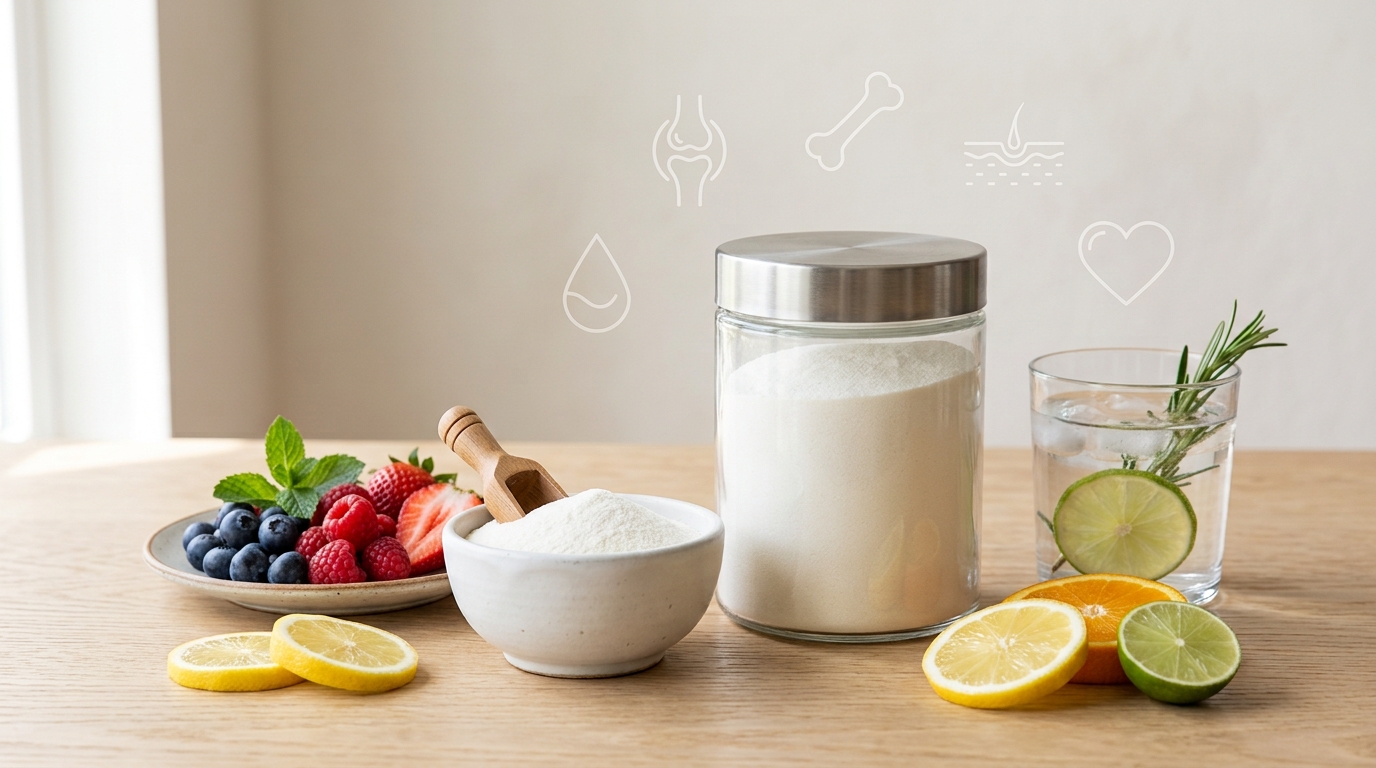
If you have seen collagen powders, drinks, or capsules online, you may wonder: are collagen peptides good for you? The short answer is that they may offer some benefits for certain people, but they are not a magic health product. Research suggests that hydrolyzed collagen may support some measures of skin health and may have benefits for certain joint, bone, and muscle-related outcomes. However, results vary, and some studies have limitations.
Collagen is the most abundant protein in the human body. It helps provide structure to skin, bones, cartilage, tendons, ligaments, and other connective tissues. As we get older, the body’s natural collagen production changes, which is one reason collagen supplements have become popular.
Collagen peptides are small pieces of collagen protein. They are usually made by breaking larger collagen proteins into smaller chains of amino acids through a process called hydrolysis. Because of their small size, they are often easy to mix into foods and drinks.
So, are collagen peptides good for you if you are considering them as part of your daily routine? It depends on your goals, diet, health status, and the product you choose.
This guide explains what collagen peptides are, what research says about their possible benefits, their limitations and potential side effects, how to choose a supplement, and how collagen compares with other protein sources.
What Are Collagen Peptides?
Collagen peptides are short chains of amino acids produced from collagen protein. You may also see them called hydrolyzed collagen or collagen hydrolysate.
Regular collagen has a large and complex structure. where to get peptides During hydrolysis, enzymes or other processing methods break the collagen into smaller peptide chains. These smaller molecules can then be used in powders, capsules, drinks, bars, and other products.
Collagen vs. Collagen Peptides
The main difference is the size and structure of the protein.
Collagen is a larger structural protein found naturally in animals. Collagen peptides are smaller fragments produced from collagen through hydrolysis.
This distinction matters because collagen peptides are designed to be easier to digest and use as an ingredient in foods and supplements.
When asking are collagen peptides good for you, it is useful to understand that taking collagen peptides does not mean that the collagen travels directly to your skin or joints and becomes new collagen there. Digestion breaks proteins and peptides down into amino acids and smaller peptides. The body then uses these building blocks in many different ways.
How Are Collagen Peptides Made?
Commercial collagen can come from several animal sources. Common sources include:
- Bovine collagen from cattle
- Porcine collagen from pigs
- Marine collagen from fish
- Chicken-derived collagen
The source can matter if you have an allergy, dietary restriction, cultural preference, or religious dietary requirement.
Product labels should clearly identify the collagen source. If a label simply says “collagen” without explaining the source, you may want to look for a product with more transparent labeling.
Common Types of Collagen
The human body contains many collagen types. Type I collagen is especially common in skin, bones, tendons, and ligaments. Type II collagen is strongly associated with cartilage.
However, supplement labels can be confusing. A product containing a particular collagen type does not automatically mean it will produce a specific health result.
The quality of the evidence depends on the exact product, dose, population, and health outcome studied.
Are Collagen Peptides Good for You?
So, are collagen peptides good for you based on current scientific evidence?
The most accurate answer is: they may be helpful for some health outcomes, but the evidence is not strong enough to treat collagen peptides as essential for everyone.
A 2026 umbrella review examined 16 systematic reviews covering 113 randomized controlled trials and nearly 8,000 participants. It reported favorable findings for several skin and musculoskeletal outcomes, although evidence varied by outcome and study quality.
A separate 2026 systematic review of randomized trials focusing on hydrolyzed collagen and skin health found improvements in measures such as skin hydration, elasticity, and wrinkle outcomes in many trials. However, the researchers also noted that many studies had a high risk of bias and that better long-term research is needed.
This is important because research findings are not the same as a guarantee.
One person may notice a meaningful difference, while another may notice little or nothing. Age, diet, genetics, activity level, sleep, sun exposure, existing health conditions, and the specific supplement can all influence results.
Why Individual Results May Differ
Research studies measure groups of people. Your personal response can be different.
For example, someone with a low overall protein intake may have a different nutritional situation from someone who already eats enough high-quality protein.
Likewise, collagen supplementation cannot replace good nutrition, regular physical activity, adequate sleep, and appropriate medical care.
If you are asking are collagen peptides good for you, the bigger question is whether they add something useful to your existing diet.
For many people, the foundation should remain a varied diet containing adequate protein, fruits, vegetables, whole grains, healthy fats, and other nutrient-rich foods.
Potential Benefits of Collagen Peptides
There are several areas where researchers have studied collagen supplementation.
May Support Skin Health
One of the biggest reasons people take collagen peptides is skin health.
Research has examined whether oral hydrolyzed collagen can influence:
- Skin hydration
- Skin elasticity
- Skin firmness
- Wrinkle appearance
- Skin aging
A 2026 systematic review found that many randomized trials reported improvements in skin hydration, elasticity, and wrinkle-related measures. At the same time, the review highlighted important limitations, including differences between studies and concerns about study quality.
Another 2026 systematic review and meta-analysis of oral and topical peptides found improvements in some measures of skin aging, including hydration and brightness, while results for elasticity and skin density were less consistent.
So, are collagen peptides good for you when the goal is healthier-looking skin?
They may provide a modest benefit for some people, but expectations should remain realistic.
Collagen supplements should not be viewed as a replacement for basic skin care. Sun protection, adequate nutrition, sleep, and avoiding smoking are also important for long-term skin health.
Skin Elasticity
Elasticity describes how well skin stretches and returns toward its original shape.
Some clinical trials have reported improved skin elasticity after collagen supplementation. However, the size of the benefit varies.
It is also important to remember that skin aging is influenced by many factors. Collagen is only one part of the picture.
Skin Hydration
Some studies have found increased skin hydration among people taking hydrolyzed collagen.
Hydration can affect how smooth and comfortable skin looks and feels. Still, drinking enough fluids and maintaining a healthy skin barrier remain important.
Appearance of Wrinkles
Several studies have investigated collagen supplements and wrinkle measurements.
Some reported reductions in wrinkle depth or volume, but this does not mean collagen can erase wrinkles or stop aging.
The current evidence supports a cautious statement: collagen peptides may improve certain measured skin-aging outcomes in some adults, but more high-quality research is needed.
May Support Joint Health
Joint health is another major reason people use collagen products.
Collagen is an important component of connective tissues, including cartilage, tendons, and ligaments.
Research has examined collagen supplementation in people with joint discomfort, osteoarthritis, and exercise-related joint concerns.
Some studies suggest that collagen supplementation may improve certain measures of joint comfort or function. The 2026 umbrella review found generally favorable results across several musculoskeletal outcomes, although the strength of evidence varied.
A separate systematic review examining tendon-related outcomes found that research results were inconsistent because studies used different collagen types, doses, training programs, and outcome measurements.
Therefore, are collagen peptides good for you if you have joint concerns?
They might be useful as an additional nutritional strategy for some people, but they should not replace diagnosis or treatment for persistent joint pain.
If joint pain is severe, sudden, persistent, or associated with swelling or injury, it is better to speak with a qualified healthcare professional.
Cartilage and Connective Tissue
Cartilage contains collagen and provides support and cushioning in many joints.
Eating collagen does not mean that the collagen directly becomes cartilage. Instead, digestion provides amino acids and peptides that the body can use as building materials.
Researchers are still studying exactly how oral collagen affects connective tissue.
Exercise-Related Joint Concerns
Some research has looked at collagen supplementation in physically active people.
Results are mixed. Collagen may have a role as part of a broader nutrition and training strategy, but it is not a substitute for sensible exercise progression, adequate recovery, and sufficient overall protein and energy intake.
May Support Bone Health
Bones are not made only of minerals. Collagen forms an important part of the bone’s organic framework, while minerals such as calcium and phosphorus contribute to bone strength.
This has led researchers to investigate whether collagen supplementation may influence bone-related measures.
The 2026 umbrella review reported favorable findings for some bone outcomes, but the evidence base still needs continued research.
So, are collagen peptides good for you for bone health?
They may have potential, but they should not be considered a replacement for established bone-health measures such as adequate calcium and vitamin D intake, appropriate physical activity, and medical treatment when needed.
People with diagnosed osteoporosis or other bone conditions should discuss supplements with a healthcare professional rather than relying on collagen alone.
May Support Muscle and Protein Intake
Collagen is a protein, so collagen peptides can contribute to your daily protein intake.
However, collagen is not a complete protein in the same way that many other protein sources are.
Collagen is particularly rich in amino acids such as glycine, proline, and hydroxyproline. It is relatively low in some essential amino acids, including tryptophan, and it is not considered a complete protein source.
This matters if your goal is muscle growth or meeting overall protein needs.
For example, foods such as eggs, dairy, fish, meat, soy, and many well-planned plant-protein combinations can provide broader amino acid profiles.
Therefore, are collagen peptides good for you as your only protein source?
Generally, they should not replace a varied protein diet.
Collagen can be an additional source of protein, but a balanced diet should provide a range of amino acids from different foods.
Are There Any Risks or Side Effects?
For many adults, collagen supplements appear to be generally well tolerated in clinical studies. However, “generally tolerated” does not mean that every product is risk-free or suitable for every person.
Common Digestive Side Effects
Some people may experience:
- Stomach discomfort
- A feeling of fullness
- Bloating
- An unpleasant taste
- Mild digestive changes
These effects may vary by person and product.
If you develop persistent or severe symptoms after taking a supplement, stop using it and seek appropriate medical advice.
Possible Allergies
The source of collagen matters.
Fish-derived collagen could be a concern for someone with a fish allergy. Other products may come from bovine, porcine, or chicken sources.
Always check the ingredient and allergen information before using a product.
Product Quality Concerns
Supplement quality can vary.
In the United States, dietary supplements are regulated differently from medicines. The FDA does not approve dietary supplements for safety and effectiveness before they are marketed. Manufacturers are responsible for ensuring that products meet applicable requirements, while FDA can take action against products that are adulterated or misbranded.
That is one reason it is important not to assume that a supplement is effective simply because it has attractive packaging or strong marketing claims.
When to Talk With a Healthcare Professional
Talk with a doctor, pharmacist, registered dietitian, or another qualified healthcare professional before starting a supplement if you:
- Have a chronic medical condition
- Have food allergies
- Take prescription medicines
- Are pregnant or breastfeeding
- Have been advised to follow a special diet
- Are considering supplements for a specific medical problem
The FDA also recommends discussing dietary supplements with a healthcare professional because supplements can interact with medicines or other supplements.
Who Might Consider Collagen Peptides?
Adults who are interested in collagen peptides may have different goals.
Some are interested in skin health. Others want additional dietary protein or are curious about possible joint or bone benefits.
If you are an adult considering collagen, the most useful question is not simply are collagen peptides good for you but whether the potential benefit is relevant to your specific nutritional needs.
Adults Interested in Skin or Joint Support
An adult interested in skin hydration, elasticity, or joint comfort may choose to discuss collagen supplementation with a healthcare professional.
However, supplements should be viewed as an optional addition rather than a requirement for healthy skin or joints.
People Looking for an Additional Protein Source
Collagen powder can add protein to foods and drinks.
For example, someone may mix collagen peptides into yogurt, oatmeal, or a smoothie.
Still, because collagen does not contain the same amino acid profile as many complete proteins, it should not automatically become the main protein source in a diet.
When Professional Advice May Be Useful
Professional advice is especially valuable when a person has a health condition or takes medication.
A healthcare professional can help determine whether a supplement is appropriate and whether another nutritional strategy would better address the goal.
How to Choose a Collagen Peptide Supplement
If you decide that collagen may fit your needs, focus on product transparency rather than flashy claims.
Look for Transparent Ingredient Labels
A good label should clearly identify:
- The amount of collagen per serving
- The collagen source
- Other active ingredients
- Serving size
- Allergen information
- Manufacturer information
Avoid products that make vague promises such as “guaranteed anti-aging” or “instant joint repair.”
Check the Collagen Source
Look for specific information such as bovine, marine, porcine, or chicken collagen.
This can help you avoid allergens or ingredients that do not fit your dietary preferences.
Consider Third-Party Testing
Third-party testing can provide additional information about product quality and whether the product has been independently tested against certain specifications.
However, third-party testing is not proof that a product will provide a particular health benefit.
Review Added Ingredients
Some collagen products contain vitamin C, biotin, hyaluronic acid, flavors, sweeteners, or other ingredients.
Added ingredients are not automatically better.
Check whether you actually need them and whether they are appropriate for you.
Avoid Misleading Health Claims
Be cautious about products that promise to:
- Reverse aging
- Cure joint disease
- Build large amounts of muscle
- Replace a healthy diet
- Guarantee younger-looking skin
These claims go beyond what the evidence can reliably support.
When considering are collagen peptides good for you, remember that marketing language is not the same as clinical evidence.
How to Use Collagen Peptides
Collagen peptides are usually sold as powders, capsules, or ready-to-drink products.
Powders can often be mixed into:
- Water
- Milk
- Smoothies
- Yogurt
- Oatmeal
- Coffee or tea
- Soups
Follow the Product’s Directions
Different products have different serving sizes and formulations.
Use the amount recommended on the product label rather than assuming that taking more will produce better results.
There is no good reason to assume that very large amounts are automatically more effective.
Consistency and Realistic Expectations
Research trials often measure outcomes after several weeks or months rather than after one serving.
If a person chooses to try collagen, it makes sense to have realistic expectations and evaluate whether it appears useful over time.
Do not expect an immediate transformation.
Why More Is Not Necessarily Better
Supplements work within the context of your total diet.
Adding large amounts of collagen does not automatically make a diet healthier. Excessive supplementation can also add unnecessary cost or ingredients.
A balanced diet should remain the foundation.
Collagen Peptides vs. Other Protein Sources
Collagen and other protein sources have different nutritional roles.
Collagen vs. Whey Protein
Whey protein is a complete dairy protein containing all essential amino acids.
Collagen has a different amino acid profile and is not considered a complete protein.
If your primary goal is supporting muscle protein synthesis, a complete protein source may be more useful for meeting that specific nutritional need.
Collagen may still be useful as an additional protein source.
Collagen vs. Plant Protein
Plant proteins vary widely.
Soy protein is a complete protein, while other plant proteins may have lower amounts of certain essential amino acids. Eating a variety of plant proteins can help provide a broader amino acid profile.
Examples include:
- Soy
- Beans
- Lentils
- Peas
- Chickpeas
- Nuts
- Seeds
- Whole grains
Differences in Amino Acid Profiles
Collagen is especially rich in glycine, proline, and hydroxyproline.
Whey, eggs, dairy, meat, fish, soy, and other complete proteins generally provide a wider range of essential amino acids.
This is why are collagen peptides good for you should not be answered only by looking at the word “protein.”
The type and quality of protein matter too.
Choosing Protein Based on Individual Nutritional Needs
The right protein source depends on your overall diet and goal.
Someone who already eats enough complete protein may see collagen as an optional addition.
Someone who struggles to meet overall protein needs may benefit more from improving their meals with complete protein sources first.
FAQ
Are collagen peptides actually good for you?
Are collagen peptides good for you? They can be a useful supplement for some adults, particularly when the goal is supporting certain aspects of skin or musculoskeletal health. Research has found promising results, but benefits are not guaranteed. Current evidence also has limitations, including differences in products and study quality.
What are the main benefits of collagen peptides?
The main areas studied include skin hydration, skin elasticity, wrinkle-related measurements, joint comfort, bone-related outcomes, and some connective-tissue outcomes.
However, are collagen peptides good for you for all of these purposes? Not necessarily. Evidence is stronger for some outcomes than others, and individual results vary.
Can collagen peptides improve skin?
Research suggests that oral hydrolyzed collagen may improve some measures of skin hydration and elasticity and may reduce certain wrinkle measurements in some people. However, studies vary in quality, and more high-quality long-term research is needed.
So, are collagen peptides good for you if your only goal is better-looking skin? They may help, but they should not be viewed as a guaranteed anti-aging treatment.
Are collagen peptides safe to take every day?
Many clinical studies have reported that collagen products are generally well tolerated. However, safety depends on the individual, product, ingredients, amount used, and health situation.
Before using a supplement regularly, consider whether you have allergies, take medication, or have a medical condition. The FDA recommends discussing dietary supplements with a healthcare professional when appropriate.
Do collagen peptides have side effects?
Possible side effects can include digestive discomfort, bloating, fullness, unpleasant taste, or allergic reactions related to the source.
If a product contains fish collagen, for example, someone with a fish allergy should pay close attention to the label.
Do collagen peptides count as protein?
Yes. Collagen peptides are a source of protein.
However, collagen is not a complete protein and has a different amino acid profile from foods such as eggs, dairy, whey, fish, meat, and soy.
Therefore, are collagen peptides good for you as your main protein source? They generally should not replace a varied protein intake.
How long does it take to see results from collagen peptides?
There is no guaranteed timeline.
Clinical studies commonly evaluate outcomes over several weeks or months. Different studies use different collagen products, amounts, populations, and measurements.
If you decide to use collagen, focus on realistic expectations rather than expecting immediate results.
Final Thoughts
So, are collagen peptides good for you?
For some people, they may be a useful addition to an already balanced diet. Current research suggests potential benefits for certain measures of skin health and some musculoskeletal outcomes, including joint and bone-related measures. However, the evidence is not equally strong for every claimed benefit, and individual results can differ.
Collagen peptides are simply a source of protein-derived peptides. They do not directly travel to a specific part of the body and automatically rebuild collagen. Your digestive system processes them, and your body uses their amino acids and peptides according to its needs.
If you are still asking, are collagen peptides good for you, consider your overall diet first. A varied diet with adequate protein, fruits, vegetables, whole grains, healthy fats, and other essential nutrients is more important than any single supplement.
For people who choose to use collagen, look for clear ingredient labels, identify the collagen source, consider independent testing, and avoid products that make unrealistic health claims.
Most importantly, supplements should not replace medical care. If you have a medical condition, food allergy, take medication, or want to use collagen for a specific health problem, discuss it with a qualified healthcare professional.
In short, are collagen peptides good for you? They may offer modest benefits for some people, especially for certain skin and musculoskeletal outcomes, but they are optional rather than essential. A quality product, realistic expectations, and a balanced diet are the most sensible approach.











